Emilio. Story Work Lessons Writing Photos Say hello
Ottawa · Santiago · everywhere in between
Hola, I’m Emilio.
Scientist. Teacher. Immigrant. Autistic. Alonso’s dad.
In the lab I repair tissues and organs. Everywhere else, I work to redesign systems that were built to leave people like us out. ==People don’t need fixing.==
In the lab I repair tissues and organs. Everywhere else, I work to redesign systems that were built to leave people like us out. ==People don’t need fixing.==
One of Canada’s Top 25 Immigrants
Tissue & organ repair ✱ accessibility ✱ neurodiversity ✱ teaching ✱ podcasting ✱ photography ✱ fatherhood ✱ unbroken
My story in four chapters.
How I got here, and who I became on the way.
SANTIAGO
Learning around the edges
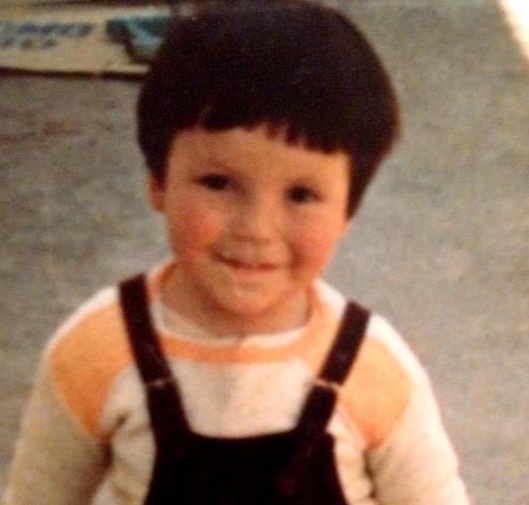
Reading and writing were always hard for me. I was often told the skills I did have weren’t useful, so I learned to work around it quietly, all the way to a PhD.
Learning around the edges
Reading and writing were always hard for me. I was often told the skills I did have weren’t useful, so I learned to work around it quietly, all the way to a PhD.
ALONSO
The one who changed how I see
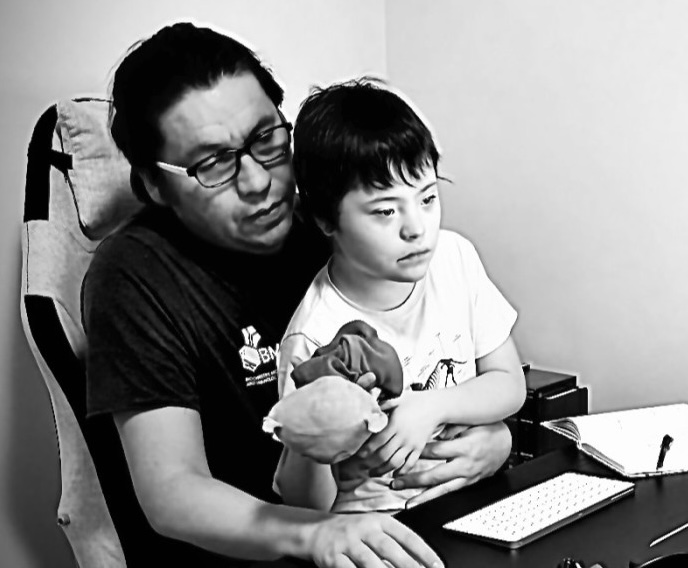
I see a lot of myself in my son. Watching him meet a world built to leave him out taught me that nothing about us needed fixing. We were unbroken all along.
The one who changed how I see
I see a lot of myself in my son. Watching him meet a world built to leave him out taught me that nothing about us needed fixing. We were unbroken all along.
OTTAWA, 2008
Finding myself again
I came to Canada with my family for a postdoc. Starting over gave me room to nurture the parts of me I had been told to hide.
Finding myself again
I came to Canada with my family for a postdoc. Starting over gave me room to nurture the parts of me I had been told to hide.
TODAY
No longer working around it
I speak openly as an autistic scientist, advise on accessibility and systemic ableism, and have led and continue to work on initiatives to create accessible spaces for everyone with everyone in mind.
No longer working around it
I speak openly as an autistic scientist, advise on accessibility and systemic ableism, and have led and continue to work on initiatives to create accessible spaces for everyone with everyone in mind.
Un==broken.==
Alonso and I are unbroken.
People sometimes look at my son, or at me, and see something to fix. There isn’t anything. Our minds and bodies work differently, and they work.
And the systems around us aren’t broken either. Schools, hospitals, universities and funding work exactly the way they were designed to: to exclude people with disabilities. That isn’t a glitch to patch. It’s a design, and designs can be changed.
Nothing here is broken. The exclusion is by design. So we redesign.
Three kinds of repair work.
Tissues and organs I repair. Classrooms and conversations I redesign, so they include people by default.
IN THE LAB
Helping the body heal itself
My team designs biomaterials that help the body repair damaged tissues and organs, from the heart to the cornea and the skin. Every project starts with a human question: how do we help someone get their life back?
[Meet my lab →](https://beatsresearch.com)
Helping the body heal itself
My team designs biomaterials that help the body repair damaged tissues and organs, from the heart to the cornea and the skin. Every project starts with a human question: how do we help someone get their life back?
[Meet my lab →](https://beatsresearch.com)
ON THE MICROPHONE
Making science easier to hear
On BEaTS Research Radio, young scientists sit down with researchers doing remarkable work and explain it in plain words. Some ideas are easier to share out loud than on paper.
[Listen →](https://beatsresearchradio.buzzsprout.com)
Making science easier to hear
On BEaTS Research Radio, young scientists sit down with researchers doing remarkable work and explain it in plain words. Some ideas are easier to share out loud than on paper.
[Listen →](https://beatsresearchradio.buzzsprout.com)
IN THE CLASSROOM · 25+ YEARS
Teaching the way I needed to be taught
Reading scientific papers was never easy for me, so I co-wrote an open guide to make it easier for everyone. I also teach students to explain science so people outside the lab can follow it.
[About the guide →](https://www.uottawa.ca/faculty-medicine/news-all/faculty-medicine-researcher-develops-how-guide-improve-scientific-literacy)
IN THE COMMUNITY
Build Your Own Bioprinter
My team travels to institutions to teach people to build an upgradeable bioprinter, the VIDAFORME Bio-1, from scratch. Science opens up when everyone can build the tools.
[Build a bioprinter →](https://buildabioprinter.com)
Build Your Own Bioprinter
My team travels to institutions to teach people to build an upgradeable bioprinter, the VIDAFORME Bio-1, from scratch. Science opens up when everyone can build the tools.
[Build a bioprinter →](https://buildabioprinter.com)
Accessibility, ==not accommodation.==
Exclusion isn’t an accident. It’s built into how our institutions were designed. Accommodation means asking, explaining and proving, again and again. Accessibility means redesigning so the door is already open.
LESSON 01
You shouldn’t have to disclose a disability for a place to work for you.
Many disabilities can’t be seen. Institutions should be accessible to everyone, by default.
You shouldn’t have to disclose a disability for a place to work for you.
Many disabilities can’t be seen. Institutions should be accessible to everyone, by default.
LESSON 03
Academia isn’t broken. It’s doing what it was built to do.
It was designed around one kind of body and mind, and it rewards hyper-productivity. Nearly three in ten Canadians live with a disability. You’d never guess it from who works in a lab.
Academia isn’t broken. It’s doing what it was built to do.
It was designed around one kind of body and mind, and it rewards hyper-productivity. Nearly three in ten Canadians live with a disability. You’d never guess it from who works in a lab.
LESSON 02
My best mentor wasn’t disabled. He chose to become an ally.
He got to know me first, then pushed the institution to change.
My best mentor wasn’t disabled. He chose to become an ally.
He got to know me first, then pushed the institution to change.
LESSON 04
My lab is better because nobody in it thinks the same way.
People who’ve lived life differently are the reason our work succeeds.
My lab is better because nobody in it thinks the same way.
People who’ve lived life differently are the reason our work succeeds.
Writing doesn’t come easily to me. ==I do it anyway.==
On LinkedIn I write about disability in academia, mentorship, being an immigrant in science, and how we talk about research.
[Follow on LinkedIn →](https://www.linkedin.com/in/YOUR-PROFILE)
[Follow on LinkedIn →](https://www.linkedin.com/in/YOUR-PROFILE)
CLOSEST TO MY HEART · 2025
Mentors as Allies for Disabled Scientists
The mentor who saw past my disability, and what any non-disabled scientist can do when they mentor someone like me. Published in ACS Biomaterials Science & Engineering.
[Read it →](https://doi.org/10.1021/acsbiomaterials.5c00406)
Mentors as Allies for Disabled Scientists
The mentor who saw past my disability, and what any non-disabled scientist can do when they mentor someone like me. Published in ACS Biomaterials Science & Engineering.
[Read it →](https://doi.org/10.1021/acsbiomaterials.5c00406)
LINKEDIN · 2026
Accessibility is dignity, justice, and a human right
A personal reflection on the value of creating spaces that are accessible for everyone with everyone in mind
[Read on LinkedIn →](hhttps://www.linkedin.com/pulse/accessibility-dignity-justice-human-right-emilio-alarcon-di2me/)
Accessibility is dignity, justice, and a human right
A personal reflection on the value of creating spaces that are accessible for everyone with everyone in mind
[Read on LinkedIn →](hhttps://www.linkedin.com/pulse/accessibility-dignity-justice-human-right-emilio-alarcon-di2me/)
LINKEDIN · 2026
I could not tell you are Autistic
A reflection on how non disabled people value the experience of being disabled [Read on LinkedIn →](https://www.linkedin.com/pulse/i-could-tell-you-autistic-emilio-alarcon-joztc/)
I could not tell you are Autistic
A reflection on how non disabled people value the experience of being disabled [Read on LinkedIn →](https://www.linkedin.com/pulse/i-could-tell-you-autistic-emilio-alarcon-joztc/)
LINKEDIN · 2025
The antivax movement is a symptom of a much serious problem
On the use of Autism and other disabilities in the anti vax discourse and how that links to Eugenics and Ableism
[Read on LinkedIn →](https://www.linkedin.com/pulse/antivax-movement-symptom-much-serious-problem-emilio-alarcon-72yee/)
The antivax movement is a symptom of a much serious problem
On the use of Autism and other disabilities in the anti vax discourse and how that links to Eugenics and Ableism
[Read on LinkedIn →](https://www.linkedin.com/pulse/antivax-movement-symptom-much-serious-problem-emilio-alarcon-72yee/)
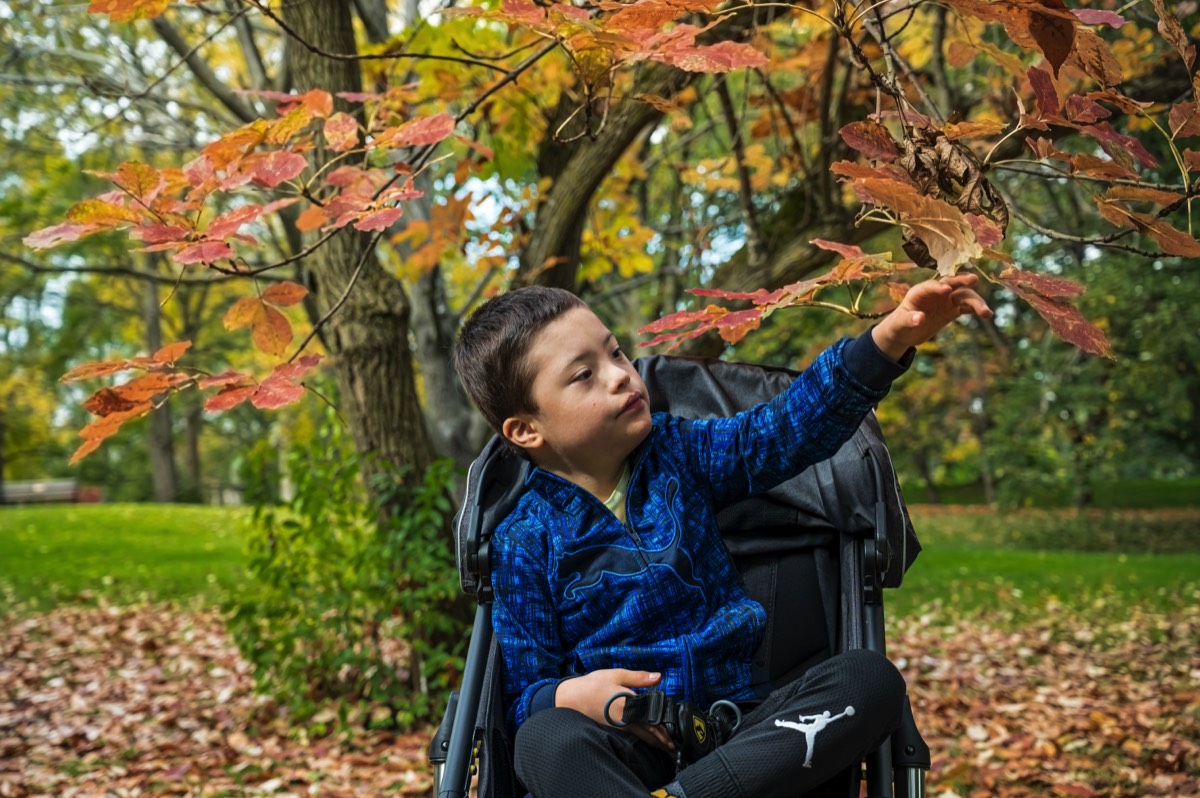
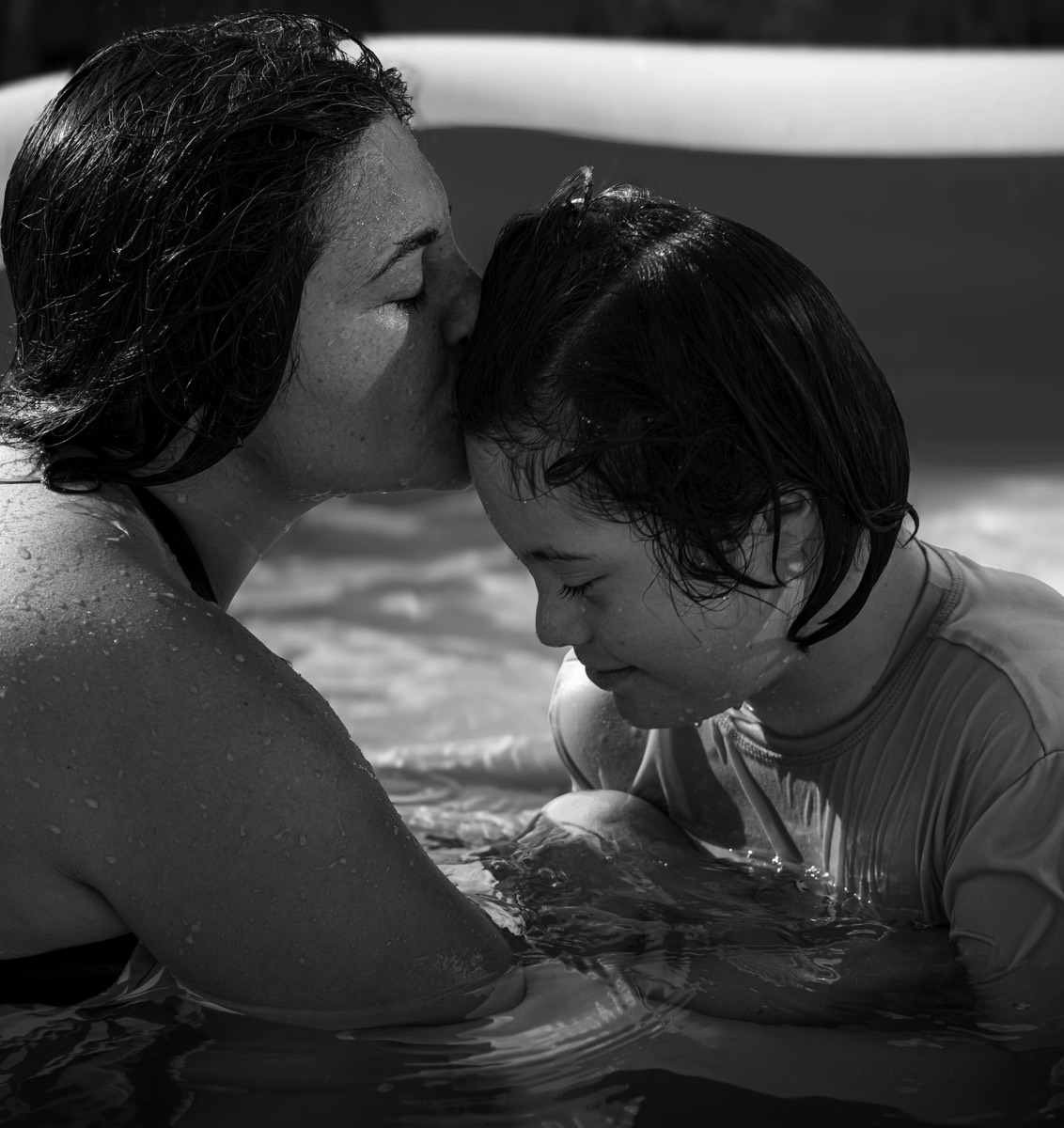
Through my lens.
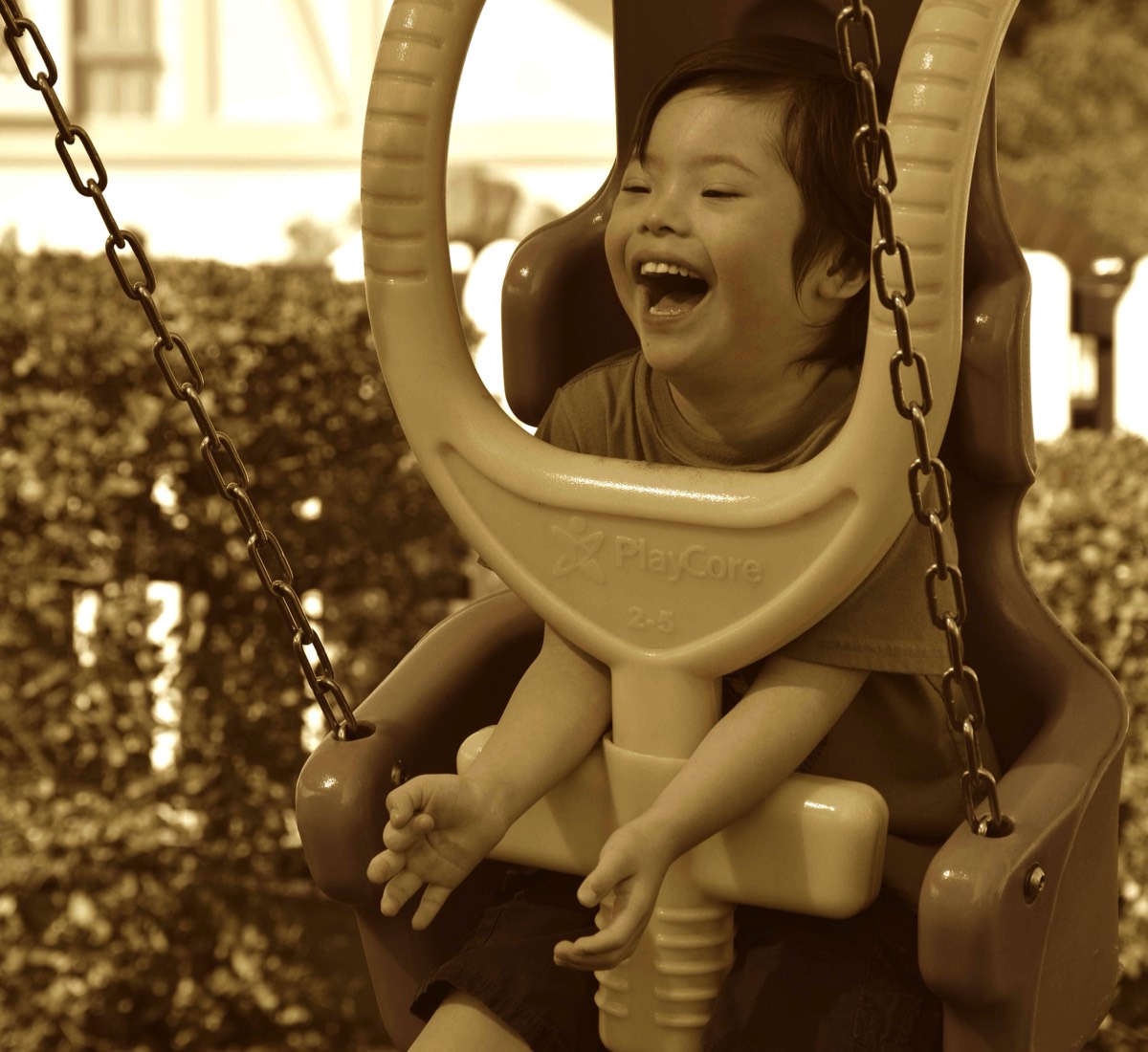
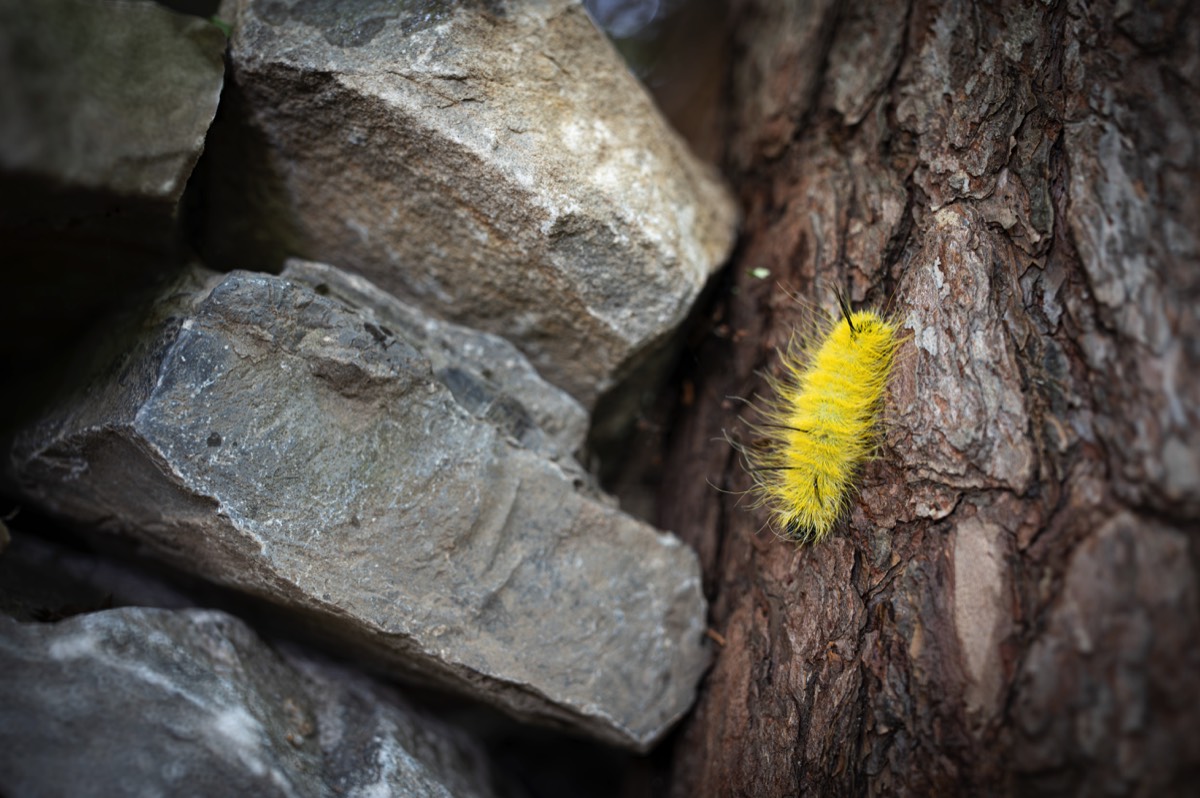
Photography is how I slow down and notice things. A few pictures I’m proud of.
Let’s talk.
Disabled or neurodivergent and wondering if science has room for you? It does, and I’d love to hear from you.
I also speak at conferences, classrooms and workplaces, in English or Spanish.
[Write to me →](mailto:ealarcon@uottawa.ca) [LinkedIn](https://www.linkedin.com/in/emilio-alarcon-76668b46)
I also speak at conferences, classrooms and workplaces, in English or Spanish.
[Write to me →](mailto:ealarcon@uottawa.ca) [LinkedIn](https://www.linkedin.com/in/emilio-alarcon-76668b46)
Ask me to talk about
• Being an autistic scientist
• Exclusion by design, and how to redesign it
• Mentoring disabled students
• Raising a disabled child while building a career
• Starting over in a new country
• Science communication and AI
• Being an autistic scientist
• Exclusion by design, and how to redesign it
• Mentoring disabled students
• Raising a disabled child while building a career
• Starting over in a new country
• Science communication and AI